

9 Items
Pilates Balls
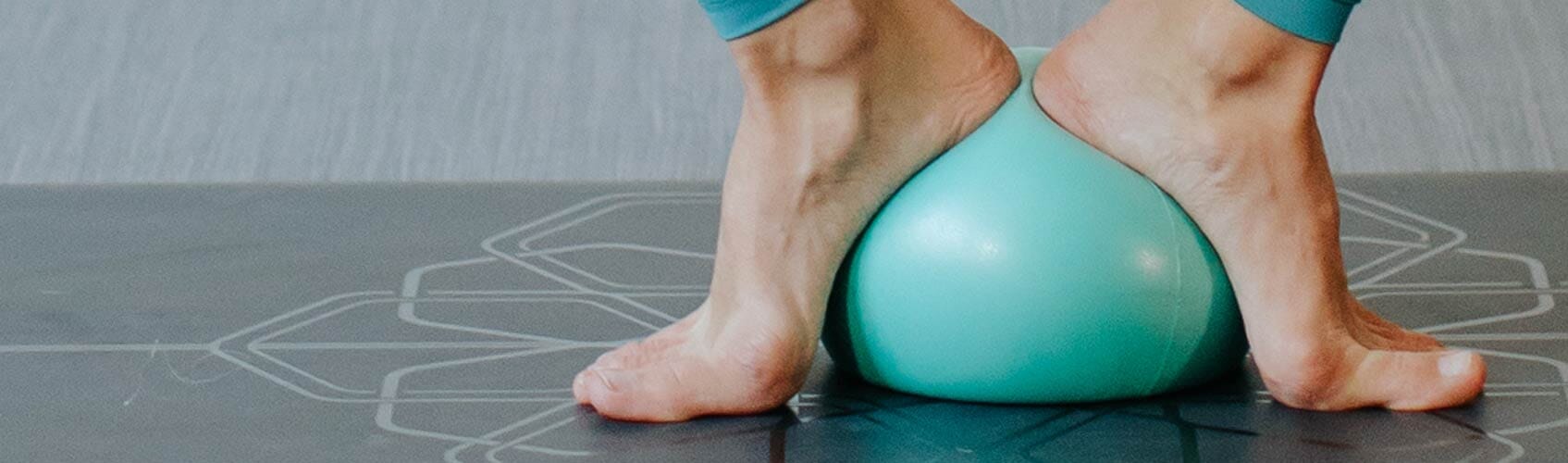
Pilates balls are small inflatable exercise balls used to improve core engagement, balance, posture and body awareness. They are commonly incorporated into Pilates, rehabilitation, mobility and functional fitness workouts, helping users increase muscle activation and add challenge to a wide range of movements.
The main difference is size and purpose. Pilates balls are smaller, typically measuring between 20cm and 30cm in diameter, and are used to support or challenge specific exercises. Swiss balls are much larger and are designed for full-body stability, balance and strength exercises such as crunches, bridges and seated balance work. Both can improve core strength, but Pilates balls are generally used for more targeted muscle activation and alignment work.
Pilates balls can help improve core strength, balance, posture, flexibility and body awareness. By creating instability during an exercise, they encourage greater activation of the abdominals, glutes, hips, pelvic floor and postural muscles. They can also be used to support rehabilitation, mobility training and stretching routines.
Most Pilates balls range from around 20cm to 30cm in diameter when inflated. Smaller balls are typically used for targeted core, pelvic floor and alignment exercises, while slightly larger balls can provide greater support during stretching, mobility and rehabilitation work. Always check the product description for specific sizing information and recommended applications.
For most home users, a standard soft Pilates ball is an excellent starting point and can be used for a wide variety of core, balance and flexibility exercises. If your goal is muscle release or trigger point therapy, a massage or therapy ball may be more suitable. Commercial facilities may wish to stock a variety of Pilates balls to support different class formats, user needs and exercise progressions.
Pilates balls can be used for exercises including pelvic tilts, glute bridges, inner-thigh squeezes, roll-backs, abdominal work, stretching and balance training. They can be positioned behind the back, between the knees or under the hands and feet to increase challenge, improve alignment and encourage greater muscle engagement.
Yes. Pilates balls are a popular addition to Pilates studios, health clubs, boutique fitness facilities and rehabilitation settings. Commercial operators often purchase Pilates balls in bulk to create consistent class kits, ensuring all participants have access to the same equipment. When purchasing for commercial use, look for durable, high-quality products designed to withstand frequent daily use.
Pilates balls can usually be cleaned with a soft cloth and a mild cleaning solution. Allow the ball to dry fully before storage and avoid exposure to sharp objects or excessive heat. In commercial environments, implementing a simple wipe-down routine between classes helps maintain hygiene and prolong product lifespan.