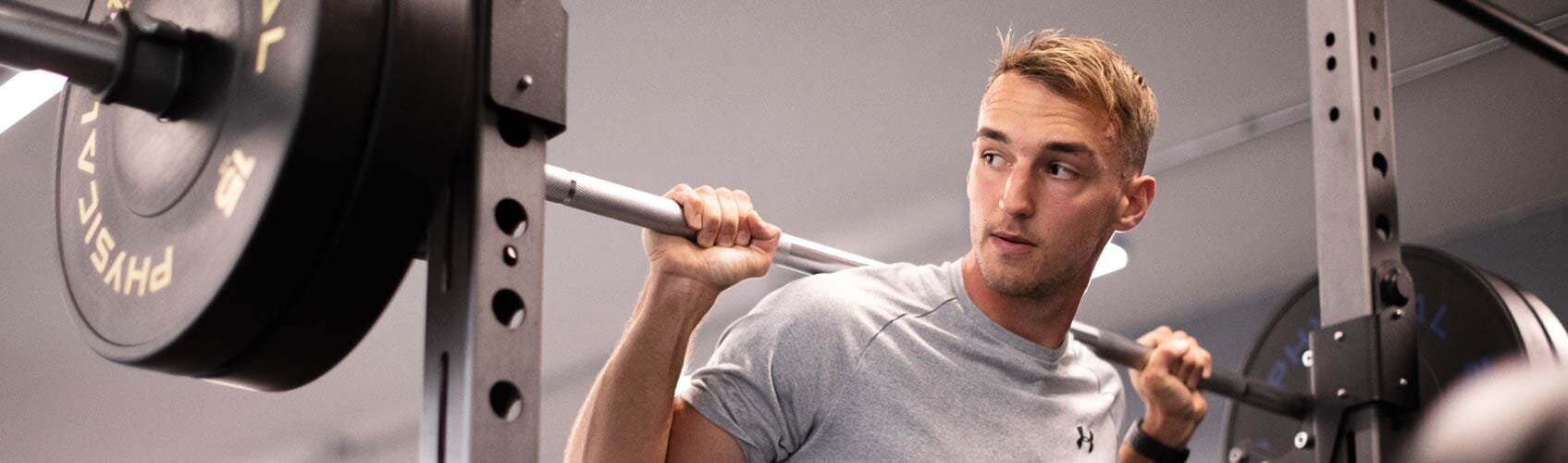
Once the preserve of elite athletes, strength and conditioning has become a core part of mainstream fitness, with national guidelines recommending that we all do strength training at least twice a week.
In turn, strength training equipment has become the backbone of any gym set-up, with gym-goers of every level seeking out professional-grade strength machines and weightlifting equipment.
Whether you’re focused on building muscle, boosting explosive power or improving athletic performance, improving posture and joint stability or simply gaining confidence in movement, the right strength equipment delivers results.
Strength training also plays a vital role in supporting overall physical health, improving bone density, enhancing metabolism and reducing injury risk.
Strength & conditioning – traditionally the domain of elite athletes looking to develop their bodies to benefit their sporting performance – focuses on improving strength, power, speed and overall athletic performance. It’s now made its way onto gym floors and involves a combination of resistance training, cardiovascular exercise and functional movements to enhance an individual's physical capabilities for sports, athletics and everyday activities.
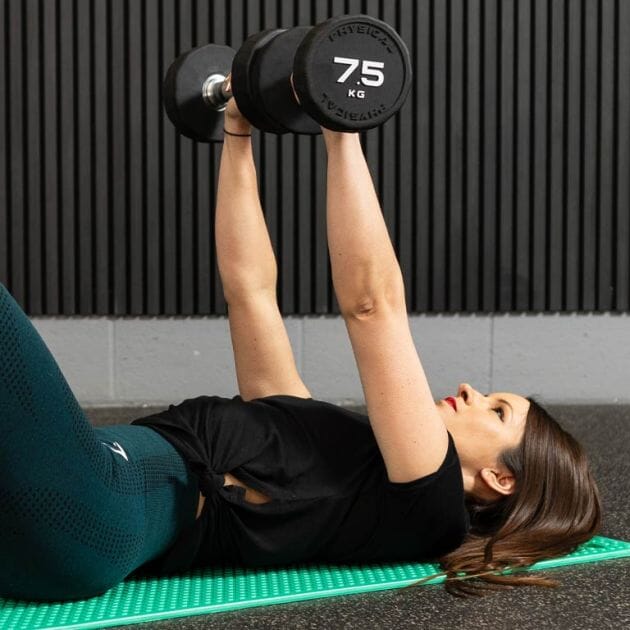
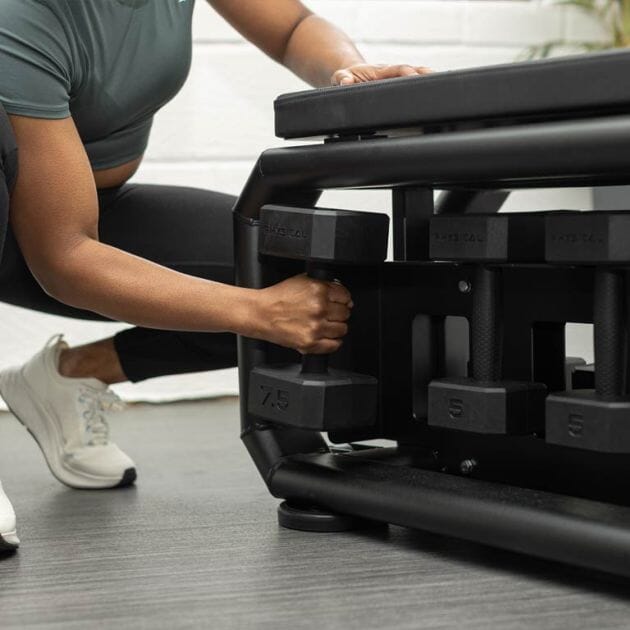
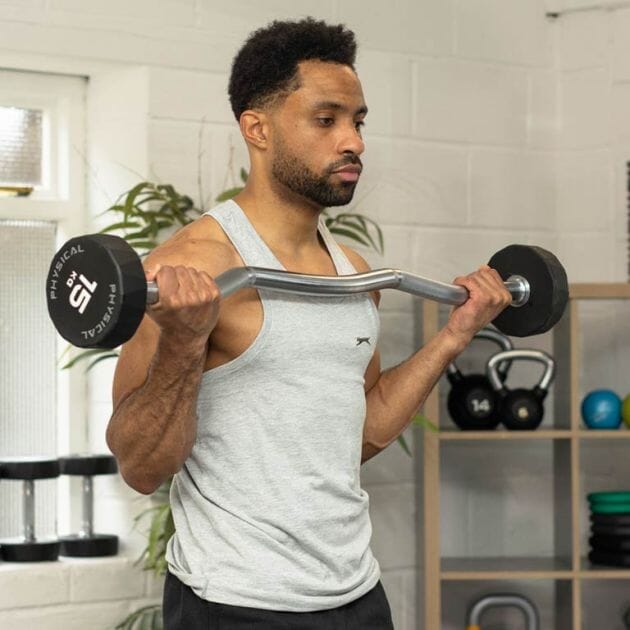
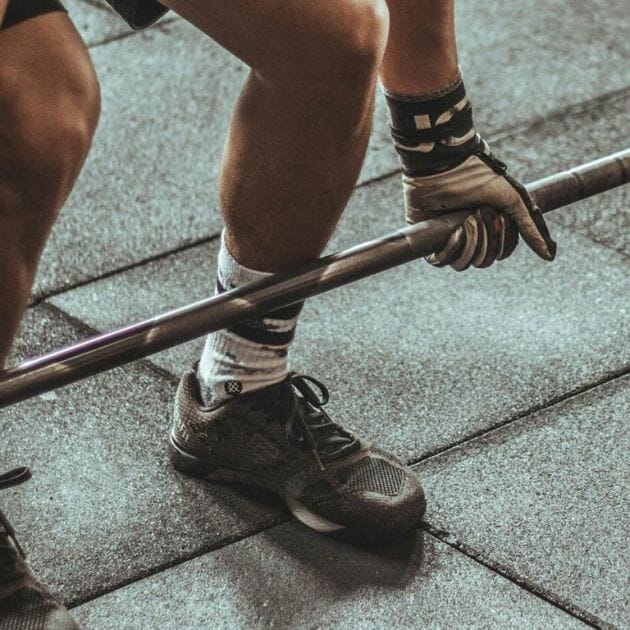
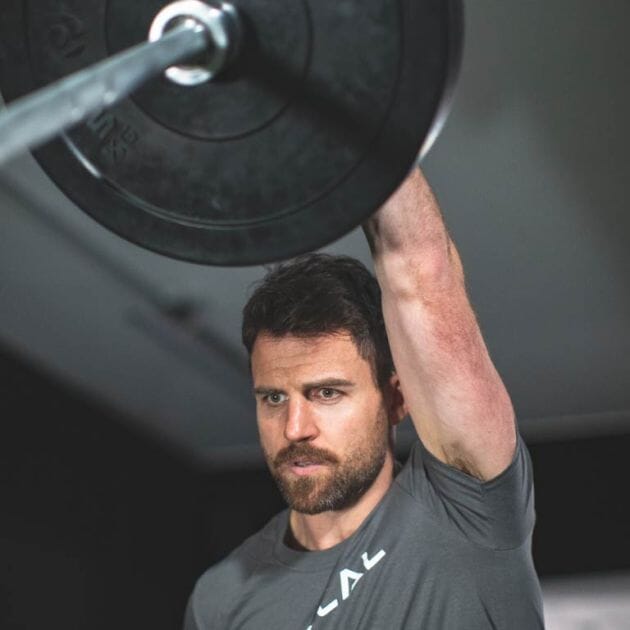
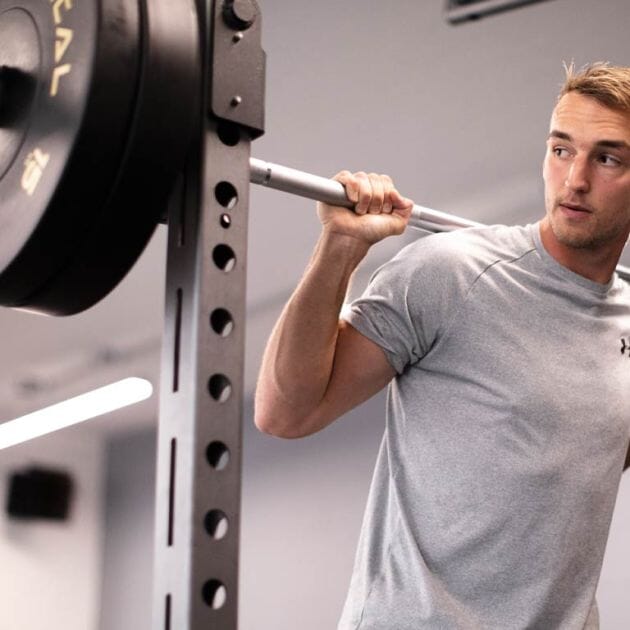
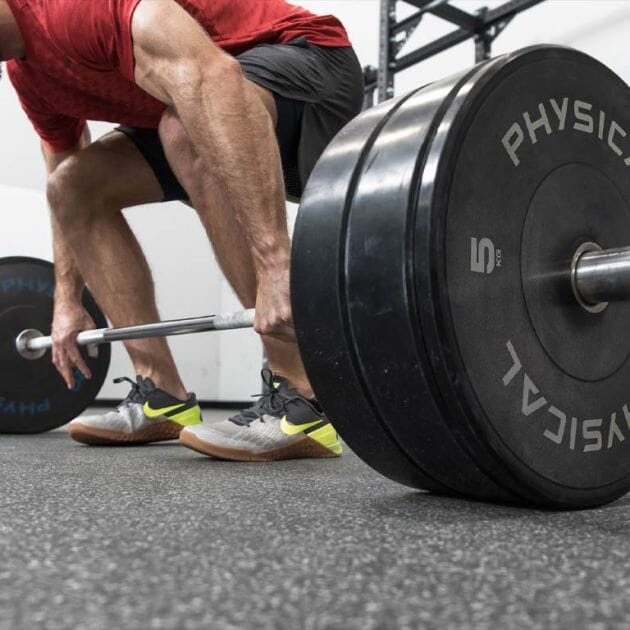
Free weights: Dumbbells and barbells for functional movements that go beyond a fixed plane of movement.
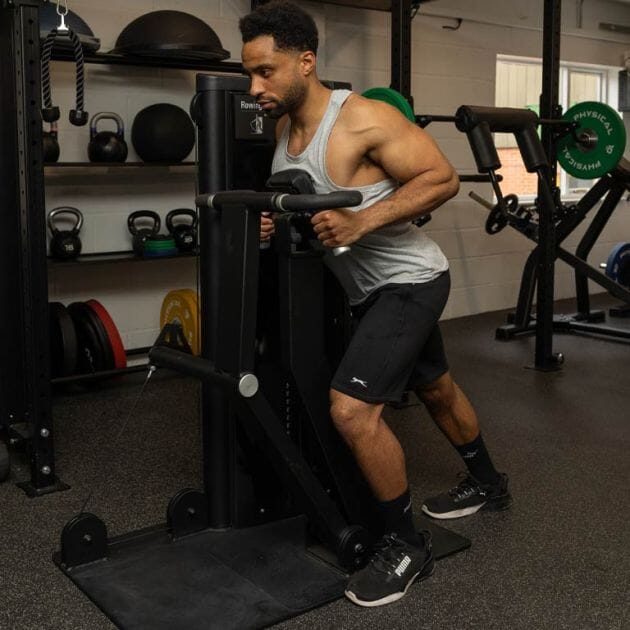
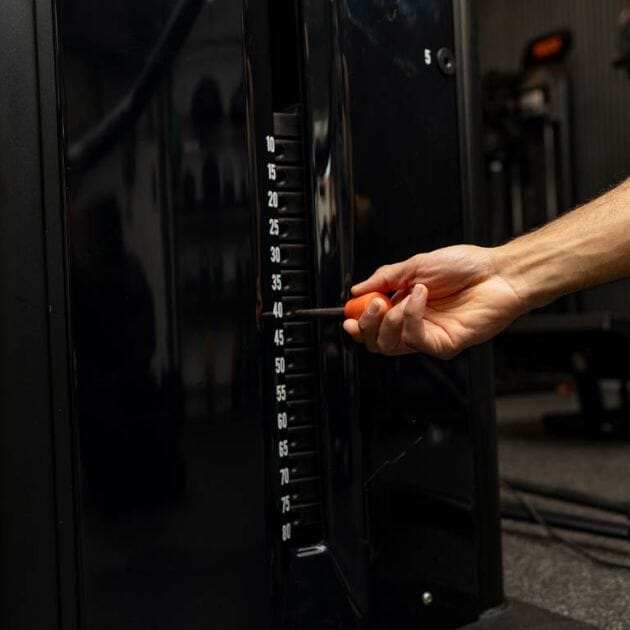
Selectorised machines: Controlled resistance that targets specific muscles and muscle groups within a fixed range of movement.
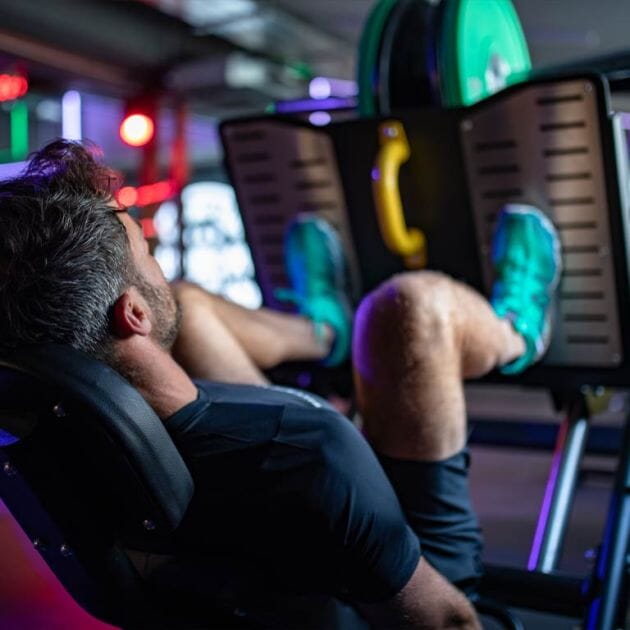
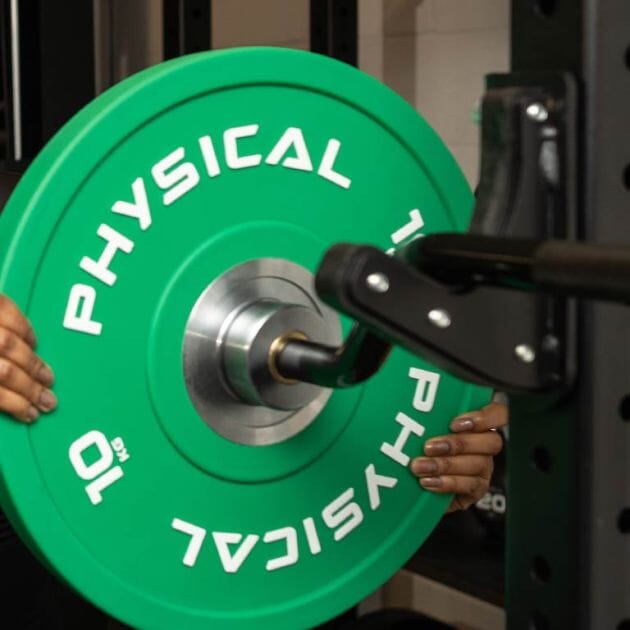
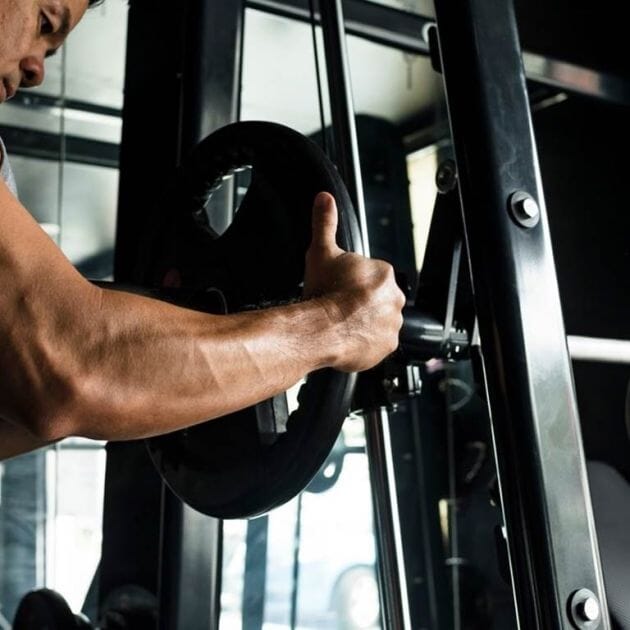
Plate-loaded machines and Smith machines: For heavier lifting.
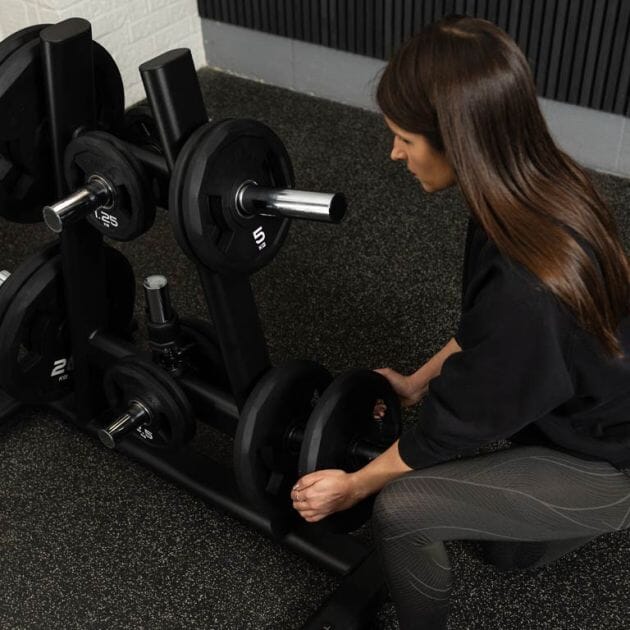
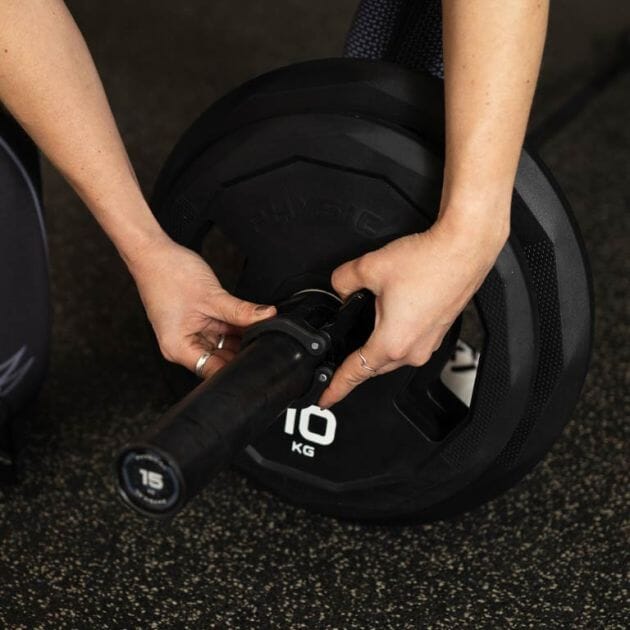
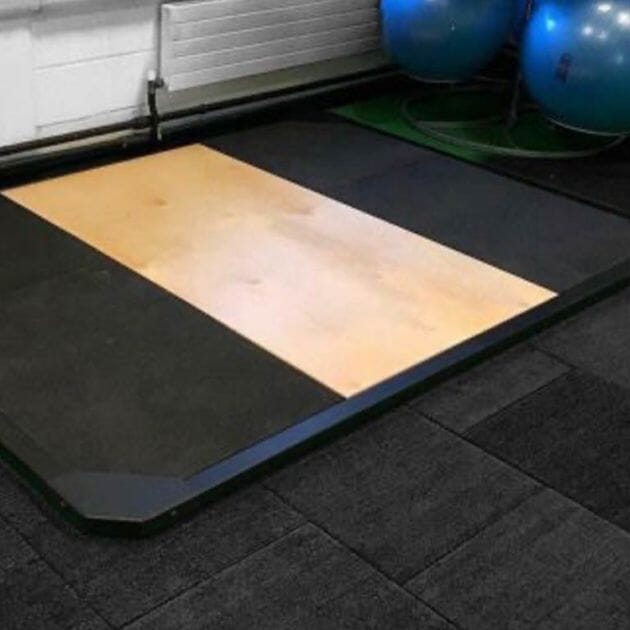
Plates, bars and lifting platforms: For Olympic lifting.
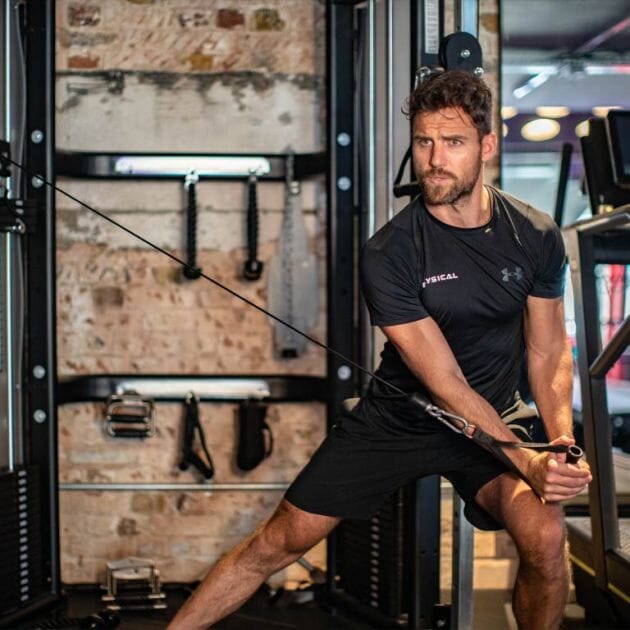
Cable machines: Strength, balance and power training with almost limitless options.
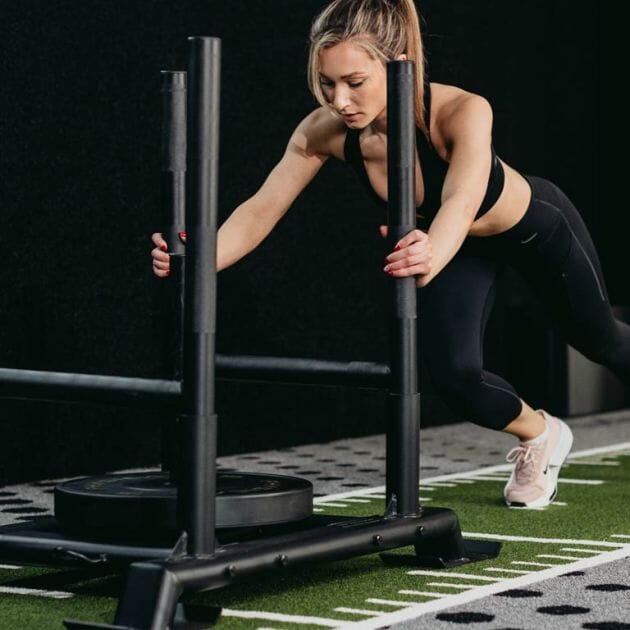
While both strength & conditioning and functional training contribute to strength and overall fitness, they have distinct focuses. Strength and conditioning emphasises building muscle strength and power through targeted resistance exercises; strength and conditioning equipment is more likely to focus on heavier weights, plate-loaded equipment, lifting platforms and so on. On the other hand, functional training concentrates on movements that mimic real-life activities, enhancing everyday functional abilities and sports performance. However, these training approaches are often complementary, as functional movements require a strong foundation of strength – and vice versa.
Strength training offers numerous benefits beyond increasing muscle mass and strength.
Enhanced metabolism: Building muscle boosts your metabolism, which in turn aids weight management.
Increased bone density: Strength training can help prevent osteoporosis and improve bone health.
Improved joint function: Strengthening muscles around the joints enhances stability and reduces injury risk.
Enhanced athletic performance: Strength training also improves speed, agility and explosive power.
Boosted confidence: Achieving strength goals boosts self-confidence and overall wellbeing.
Strength training equipment is suitable for users of various fitness levels: strength workouts can be adapted to suit everyone from beginners to experienced athletes. The adjustable resistance of many machines and the wide range of weight options in free weights allow for gradual progression as users build strength and confidence.
Incorporating strength equipment in your fitness routine ensures a well-rounded approach to overall fitness. By combining strength training with cardiovascular exercises and flexibility training, individuals can achieve a balanced physique, improve athletic performance and enhance functional abilities for daily activities. Indeed, in the UK, national guidelines recommend everyone undertake resistance training on at least two days every week.